Fatty Liver Disease: A Comprehensive Guide to Prevention and Management
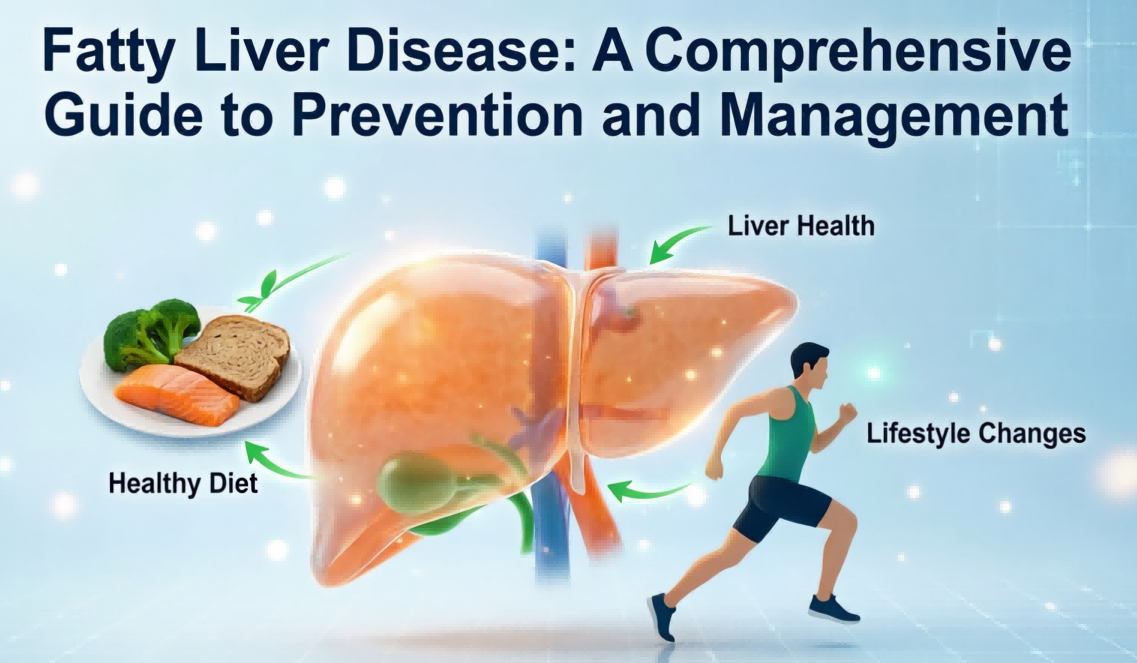
Fatty liver disease is a prevalent condition affecting millions globally, characterized by the accumulation of fat in liver cells. When fat constitutes more than 5% of the liver's weight, it can trigger inflammation and damage. Crucially, this condition is often a manifestation of insulin resistance—a pre-diabetic state—rather than an isolated liver issue.
If left unmanaged, fatty liver can progress to severe complications like cirrhosis or liver failure over 15–20 years. However, with the right lifestyle changes, it is highly manageable.
Understanding the Types and Causes
There are two primary categories of fatty liver disease, driven by different factors:
1. Non-Alcoholic Fatty Liver Disease (NAFLD)
This is the most common form, unrelated to heavy alcohol use. It is strongly linked to metabolic health.
Key Drivers: Obesity (especially abdominal fat), insulin resistance, and metabolic syndrome.
Progression: It can advance to Non-Alcoholic Steatohepatitis (NASH), a more aggressive form involving liver inflammation and cell damage.
2. Alcoholic Fatty Liver Disease (AFLD)
Caused by excessive alcohol consumption. The liver produces toxic byproducts while metabolizing alcohol, leading to fat accumulation and cell damage. Continued abuse can lead to alcoholic hepatitis or cirrhosis.
Common Risk Factors:
Diet: High intake of refined carbohydrates, sugar, and saturated fats.
Weight: Being overweight or obese.
Medications: Certain drugs like corticosteroids and tamoxifen.
Symptoms and Diagnosis
Recognizing the Signs
In its early stages, fatty liver is often a "silent" condition with no obvious symptoms. As it progresses, you may experience:
Chronic fatigue
Abdominal discomfort or pain
Loss of appetite and unintended weight loss
Jaundice (yellowing of the skin and eyes)
Diagnostic Methods
Doctors use a combination of tests to confirm a diagnosis and assess severity:
Blood Tests: Checking for elevated liver enzymes (SGOT, SGPT) and abnormal lipid profiles.
Imaging: Ultrasound, CT scans, or MRI to visualize fat accumulation.
FibroScan (Elastography): A specialized ultrasound to measure liver stiffness and detect fibrosis (scarring).
Liver Biopsy: A tissue sample is taken to microscopically examine the extent of liver damage.
Associated Health Risks
Fatty liver disease is a systemic issue that increases the risk of other serious conditions:
Cardiovascular Disease: Higher incidence of heart attacks, strokes, and coronary artery disorders.
Cancer: Individuals are about 4 times more likely to develop cancer, specifically hepatocellular carcinoma (liver cancer).
Diabetes: A strong correlation exists between fatty liver and the development of Type 2 diabetes.
Target Health Metrics:
Triglycerides: Should be below 150 mg/dL.
HDL Cholesterol: Should be above 50 mg/dL (females) and 40 mg/dL (males).
Waist Circumference: Risk increases if >90cm for males.
BMI: Risk increases if >25.
Management and Treatment Strategies
Currently, there is no specific medication to "cure" fatty liver. The most effective treatment is lifestyle modification focused on weight loss and metabolic health.
Dietary Adjustments
Cut Refined Carbs & Sugar: Reduce intake of white bread, pasta, and sugary snacks to lower insulin resistance.
Limit Fructose: High fructose intake (found in fruit juices and sweets) affects the liver similarly to alcohol. Avoid sugary drinks.
Avoid Trans Fats: Minimize processed and fried foods to reduce liver inflammation.
Eat Whole Foods: Focus on a balanced diet rich in vegetables, fruits, lean proteins, and whole grains.
Lifestyle Changes
Weight Loss: Losing excess weight is the single most effective way to reverse liver fat. Intermittent fasting can be a helpful tool.
Zero Alcohol: Complete abstinence is recommended to prevent further liver stress.

509, 5/F THE CLOUD 111 TUNG CHAU ST TAI KOK TSUI HONG KONG


